Common Production Processes for Power Resistors
I. Introduction
A. Definition of Power Resistors
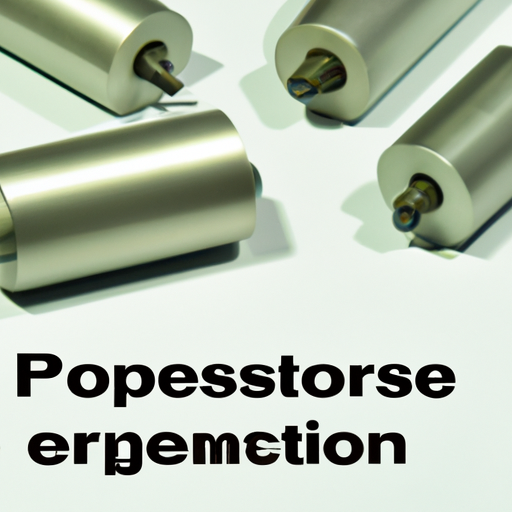
Power resistors are electrical components designed to limit current flow and dissipate energy in the form of heat. Unlike standard resistors, power resistors are built to handle higher power levels, making them essential in various applications, from industrial machinery to consumer electronics. Their ability to manage heat and maintain performance under load is crucial for the reliability of electrical circuits.
B. Importance of Power Resistors in Electrical Circuits
Power resistors play a vital role in electrical circuits by controlling voltage and current levels, protecting sensitive components from damage, and ensuring stable operation. They are commonly used in power supplies, motor drives, and electronic load testing, among other applications. Their reliability and performance directly impact the efficiency and safety of electrical systems.
C. Overview of the Production Process
The production of power resistors involves several stages, from design and material selection to manufacturing and quality control. Understanding these processes is essential for appreciating the complexity and precision required in creating these critical components.
II. Types of Power Resistors
A. Wirewound Resistors
1. Characteristics
Wirewound resistors are made by winding a metal wire, typically nichrome, around a ceramic or fiberglass core. They are known for their high power handling capabilities and excellent thermal stability.
2. Applications
These resistors are commonly used in applications requiring high precision and stability, such as in power amplifiers and electronic test equipment.
B. Thick Film Resistors
1. Characteristics
Thick film resistors are created by printing a resistive paste onto a substrate and then firing it to create a solid layer. They offer good performance and are cost-effective for mass production.
2. Applications
They are widely used in consumer electronics, automotive applications, and industrial controls due to their versatility and reliability.
C. Thin Film Resistors
1. Characteristics
Thin film resistors are produced by depositing a thin layer of resistive material onto a substrate. They provide high accuracy and stability, making them suitable for precision applications.
2. Applications
These resistors are often found in high-frequency circuits, precision measurement devices, and medical equipment.
D. Other Types
Other types of power resistors include ceramic and metal film resistors, each with unique characteristics and applications tailored to specific needs.
III. Raw Materials Used in Power Resistor Production
A. Conductive Materials
1. Metals (Copper, Nickel, etc.)
Conductive materials such as copper and nickel are essential for creating the resistive elements in power resistors. Their electrical properties determine the resistor's performance.
2. Carbon-based materials
Carbon-based materials are also used, particularly in applications requiring high thermal stability and resistance to environmental factors.
B. Insulating Materials
1. Ceramics
Ceramics are commonly used as insulating materials due to their excellent thermal and electrical properties, providing stability and durability.
2. Epoxy resins
Epoxy resins are often used for encapsulation, offering protection against moisture and mechanical stress.
C. Substrates and Coatings
The choice of substrates and coatings is critical in determining the performance and reliability of power resistors. These materials must withstand high temperatures and provide adequate insulation.
IV. Common Production Processes
A. Design and Prototyping
1. Electrical and Thermal Specifications
The production process begins with careful design, where electrical and thermal specifications are defined. This stage is crucial for ensuring that the resistor will perform as intended under various conditions.
2. CAD Software for Design
Computer-Aided Design (CAD) software is often used to create detailed designs and prototypes, allowing for precise adjustments before moving to production.
B. Material Preparation
1. Sourcing and Quality Control
Sourcing high-quality raw materials is essential for producing reliable power resistors. Manufacturers often implement strict quality control measures to ensure that materials meet industry standards.
2. Pre-processing of Materials
Pre-processing may involve cutting, shaping, or treating materials to prepare them for the manufacturing stage.
C. Manufacturing Techniques
1. Wirewound Resistor Production
a. Winding Process
The winding process involves carefully wrapping the resistive wire around a core, ensuring uniformity and precision.
b. Resistance Value Adjustment
After winding, the resistance value may be adjusted through trimming or adding additional resistance elements.
2. Thick Film Resistor Production
a. Screen Printing Process
In thick film production, a resistive paste is screen-printed onto a substrate, creating the desired pattern.
b. Firing and Sintering
The printed substrate is then fired in a kiln, allowing the paste to bond and form a solid resistive layer.
3. Thin Film Resistor Production
a. Vacuum Deposition
Thin film resistors are produced using vacuum deposition techniques, where a thin layer of resistive material is deposited onto a substrate.
b. Etching Techniques
Etching is used to define the resistor pattern, allowing for precise control over resistance values.
D. Assembly and Packaging
1. Component Assembly
Once the resistive elements are produced, they are assembled with other components, such as terminals and heat sinks.
2. Encapsulation and Coating
Encapsulation and coating protect the resistors from environmental factors and mechanical stress, ensuring longevity and reliability.
3. Quality Assurance and Testing
Quality assurance is a critical step, involving rigorous testing to ensure that each resistor meets the specified electrical and thermal performance criteria.
V. Quality Control Measures
A. Testing Procedures
1. Electrical Testing
Electrical testing involves measuring resistance values, voltage ratings, and current handling capabilities to ensure compliance with specifications.
2. Thermal Testing
Thermal testing assesses the resistor's performance under high-temperature conditions, ensuring that it can operate safely and effectively.
B. Compliance with Industry Standards
1. ISO Certifications
Manufacturers often seek ISO certifications to demonstrate their commitment to quality and consistency in production processes.
2. RoHS Compliance
Compliance with the Restriction of Hazardous Substances (RoHS) directive is essential for ensuring that power resistors are safe for use in various applications.
VI. Challenges in Power Resistor Production
A. Material Sourcing and Cost Fluctuations
The sourcing of raw materials can be challenging due to market fluctuations and availability, impacting production costs and timelines.
B. Technological Advancements and Adaptation
As technology evolves, manufacturers must adapt their processes and materials to meet new demands and standards, which can be a significant challenge.
C. Environmental Considerations
Manufacturers are increasingly focused on sustainability, seeking ways to reduce waste and minimize environmental impact during production.
VII. Future Trends in Power Resistor Production
A. Innovations in Materials
Research into new materials, such as advanced ceramics and composites, is ongoing, promising to enhance the performance and reliability of power resistors.
B. Automation and Smart Manufacturing
The integration of automation and smart manufacturing technologies is expected to streamline production processes, improve efficiency, and reduce costs.
C. Sustainability Practices
Sustainability practices, including recycling and the use of eco-friendly materials, are becoming more prevalent in the production of power resistors, aligning with global environmental goals.
VIII. Conclusion
A. Recap of the Importance of Power Resistors
Power resistors are critical components in electrical circuits, ensuring stability and protection for various applications. Their production involves a complex interplay of design, materials, and manufacturing techniques.
B. Summary of Production Processes
From the initial design phase to final testing and quality assurance, the production processes for power resistors are intricate and require precision at every step.
C. Final Thoughts on the Future of Power Resistor Manufacturing
As technology advances and the demand for reliable electrical components grows, the future of power resistor manufacturing looks promising. Innovations in materials, automation, and sustainability will shape the industry, ensuring that power resistors continue to meet the evolving needs of modern electronics.


